
When it comes to residential and commercial exterior cleaning, you may hear the terms pressure washing and soft washing used interchangeably. However, it’s important to note that they aren’t the same. Each method uses water to clean, but the equipment, technique, and best-use cases differ significantly. Understanding the difference can help you choose the safest and most effective way to keep your property looking its best.
What Is Pressure Washing?
Pressure washing, also known as power washing, utilizes a high-pressure stream of water (typically between 1,500 and 3,000 PSI) to remove dirt, mold, mildew, algae, and built-up grime from exterior surfaces. You can use different nozzles to adjust the spray pattern and pressure, allowing for versatility in cleaning various surfaces.
It works best for cleaning:
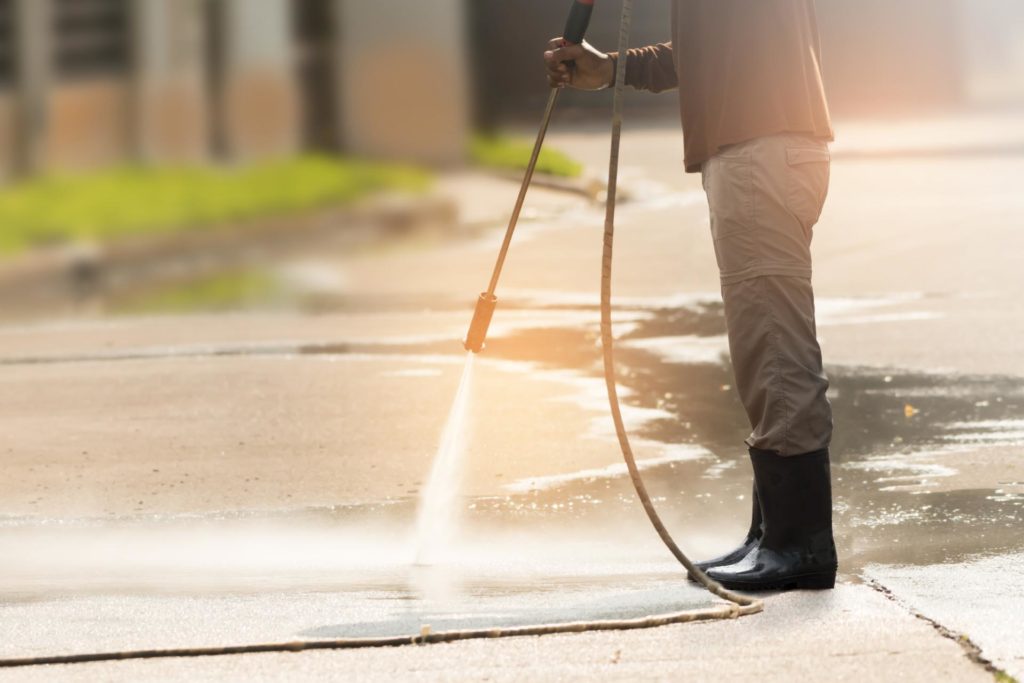
- Concrete driveways and sidewalks.
- Brick walls.
- Mental fences and railings.
- Stone patios and pavers.
- Plastic outdoor furniture.
Provides the following advantages:
- Offers fast and powerful cleaning.
- Removes deep-set grime and stains.
- Works well on heavily soiled, durable surfaces.
- Creates a healthier living environment.
- Improves curb appeal and increases property value.
But it can also:
- Strip paint and dent soft surfaces.
- Cause water to seep under siding, causing moisture issues and potential mold growth.
- Crack and splinter wood, leading to structural issues.
- Shatter or crack windows
- Etch or damage surfaces
When using a pressure washer for the first time, read the instructions, start with low pressure and gradually increase, and test an inconspicuous area to ensure you don’t damage any surfaces. A pressure washer isn’t a toy and should be used with caution.
What Is Soft Washing?
Soft washing uses low-pressure water (under 500 PSI) combined with specialized cleaning solutions to gently remove dirt, algae, mold, and other contaminants. It is generally considered a safer method of cleaning.
It works best for cleaning:
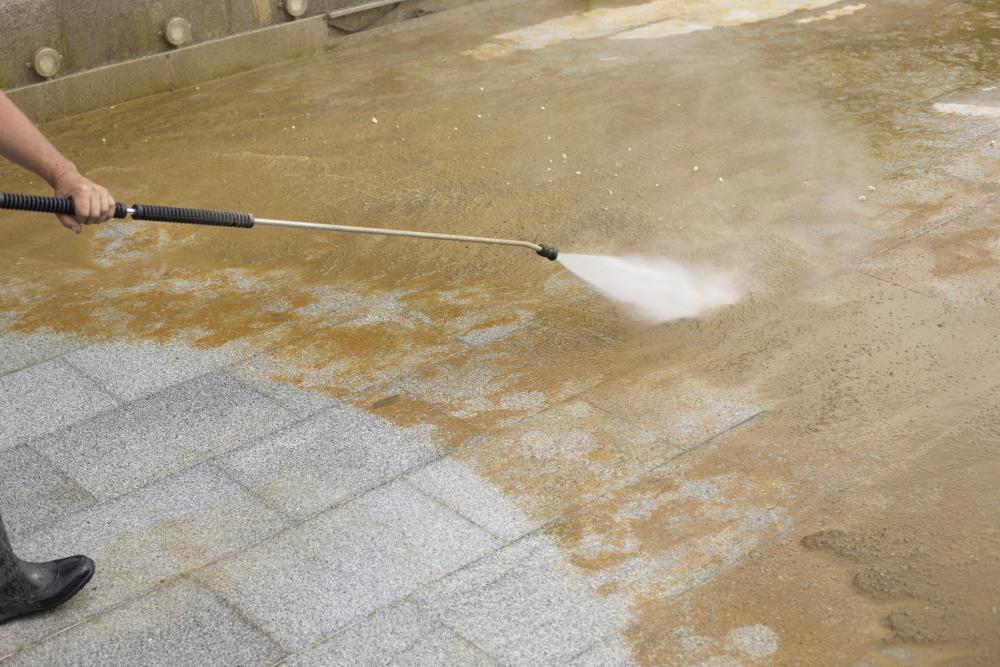
- Roof shingles.
- Vinyl siding.
- Stucco.
- Wood decks and fences.
- Delicate outdoor furniture.
- Windows and screens.
- Gutters, soffits, and fascia.
- New concrete surfaces.
Provides the following advantages:
- Gentle on surfaces, reducing the risk of damage.
- Cleaning agents used kill mold, algae, and bacteria.
- Longer-lasting results compared to pressure washing alone.
- Works well for older homes with delicate surfaces.
- Safer for the environment.
- Helps your property look fresh and maintained.
But it can also:
- Take longer because it needs time for the cleaning solution to work.
- Leave behind stubborn strains, like oil, grease, rust, and paint.
- Require multiple applications or longer dwell times to achieve your desired results.
- Cost more because of the specialized cleaning solutions.
- Harm plants and the surrounding landscaping if the runoff isn’t managed. When rinsing off cleaning detergent, be mindful of where it goes.
When to Use Each Method
Both soft washing and pressure washing require the right equipment, techniques, and cleaning solutions in order to avoid costly damage.
Pressure Washing: This works best for durable, non-porous surfaces that can handle high water pressure, such as concrete, brick, and stone.
Soft Washing: This works best for delicate, painted, or porous materials covered in mold and mildew or where high pressure might cause damage. Use soft washing when cleaning siding, roofing, or wooden structures.
Why Hiring a Professional Matters
Both methods require the right equipment, techniques, and cleaning solutions to avoid costly damage. A professional cleaning service:
- Knows which method to use on which surfaces to get the best results
- Uses the proper water pressure and cleaning solutions.
- Ensures safety for both your property and the environment.
- Identifies potential hazards, like loose materials or vulnerable areas, and takes necessary precautions.
- Uses commercial-grade equipment to do a thorough cleaning and get your property looking better than ever.
When you pressure wash surfaces yourself, you not only risk using too much pressure, stripping paint, and damaging your property, but also using the wrong cleaning solution, killing plants, staining surfaces, and harming pets. Professional cleaning may cost you more initially, but it will be worth the investment.
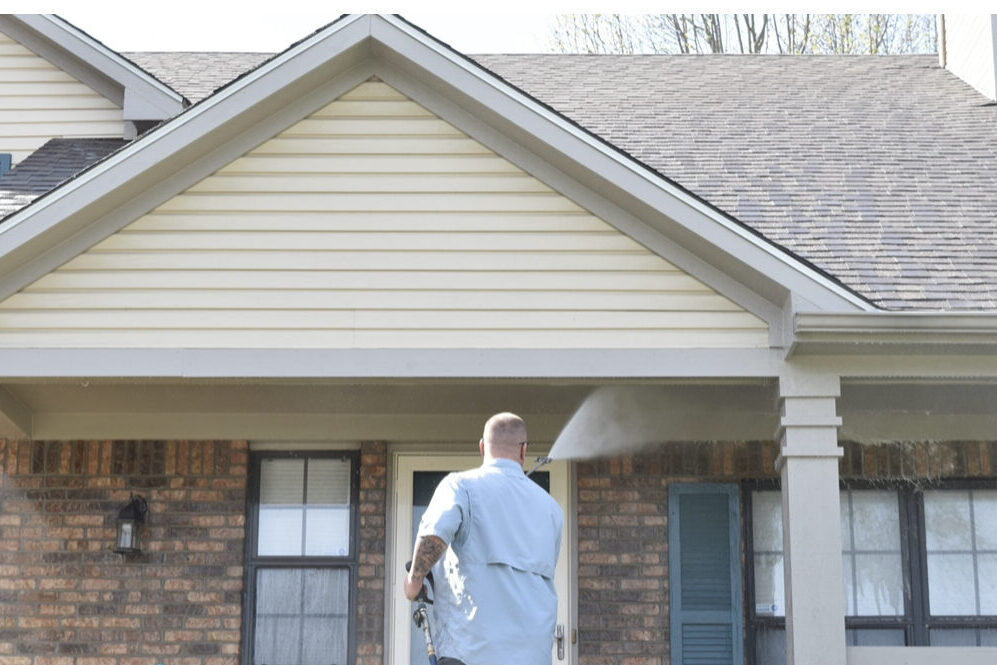
Pressure Washing and Soft Washing: The Key to a Beautiful Property
While pressure washing and soft washing both aim to restore the beauty of your property, they achieve it in different ways. Pressure washing delivers high-pressure jets of water to remove stains, grime, and debris from tough, durable surfaces, while soft washing offers a gentler touch for delicate areas and provides long-lasting results. Choosing the right method not only ensures better results but also protects your home or business from unnecessary damage.
By working with an experienced professional, you can enjoy a cleaner, healthier, and more attractive property all year round.