Since its founding in 2006, Pressure Doctor has been continuously evolving. What originally began as a pressure washing company has grown into a much broader exterior cleaning company capable of handling everything from routine commercial cleaning to complex projects involving hard-to-reach structures. Over the past 20 years, that growth has been intentional, with new exterior cleaning services, equipment, and technology added in response to the changing needs of our customers.
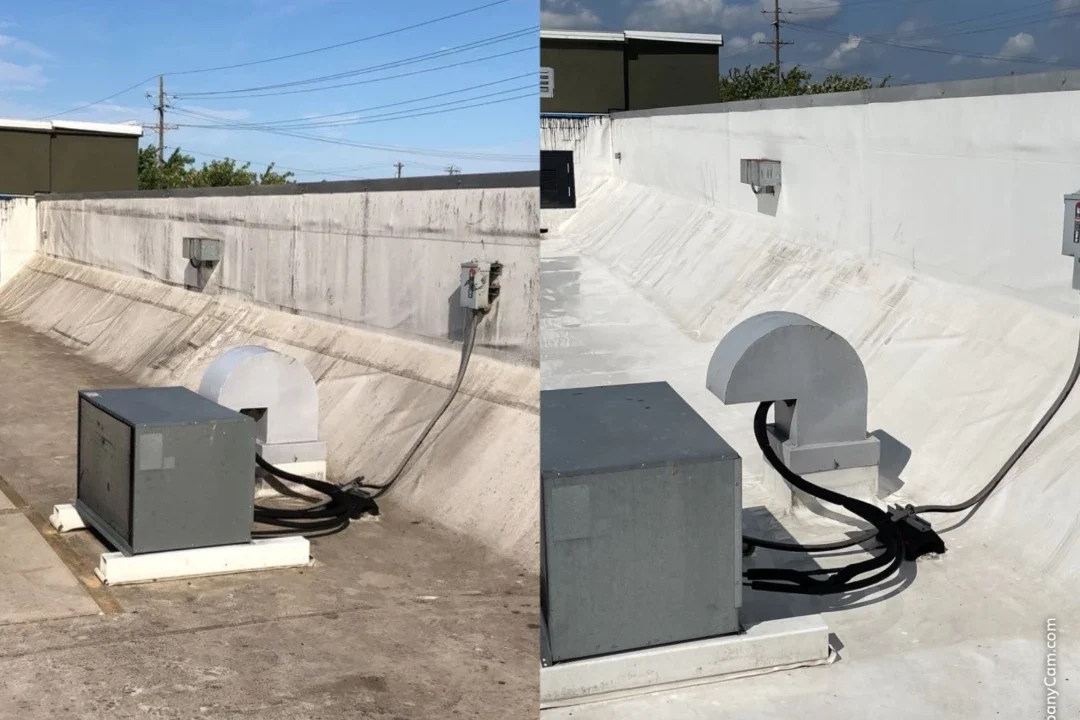
Today, Pressure Doctor provides far more than just traditional pressure washing. Our exterior cleaning services include commercial exterior cleaning, drone cleaning, window cleaning, roof cleaning, concrete cleaning and sealing, rust and stain removal, graffiti removal, post-construction cleaning, holiday lighting, and a wide variety of other specialty exterior services. Though our focus has expanded, it has remained the same: finding effective solutions for our customers and taking on projects that require experience, specialized equipment, and a willingness to think outside the box.
More Than a Pressure Washing Company
Pressure washing is a very important part of what we do, but it is only one part of the larger picture. As our customers’ needs have changed, we have looked for ways to provide more comprehensive exterior cleaning services and maintenance solutions.
That has led us to expand our services so customers don’t have to coordinate with several different companies for different exterior projects. Our growing range of exterior cleaning services allows us to take on more of their needs under one roof.
However, this diversification didn’t happen overnight. Since 2006, we have continued to learn from the projects we take on, recognize opportunities for improvement, and reinvest in our small business. Every new service we provide has been part of a larger effort to build a company that can adapt to what our customers need.
Using Drone Technology to Reach Difficult Areas
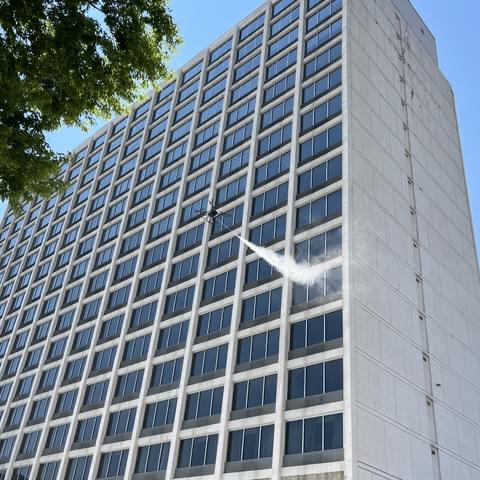
One of the biggest areas of growth for Pressure Doctor has been our investment in drone cleaning technology. Traditional cleaning methods can make certain structures especially challenging to access. Water towers, large buildings, tall structures, roofs, and other elevated areas may require lifts, scaffolding, or employees working at significant heights.
Drone technology has opened up new possibilities for these types of exterior cleaning services. By using specialized cleaning drones, we can reach areas that may otherwise be difficult or costly to access while reducing the need for lifts, scaffolding, and employees working at extreme heights.
For Pressure Doctor, investing in this technology is about more than having another piece of equipment. It is about finding safer, more efficient ways to solve problems. When a customer has a difficult-to-reach structure that needs to be cleaned, we can evaluate the project and determine whether drone technology provides a practical solution.
Serving a Wide Range of Industries
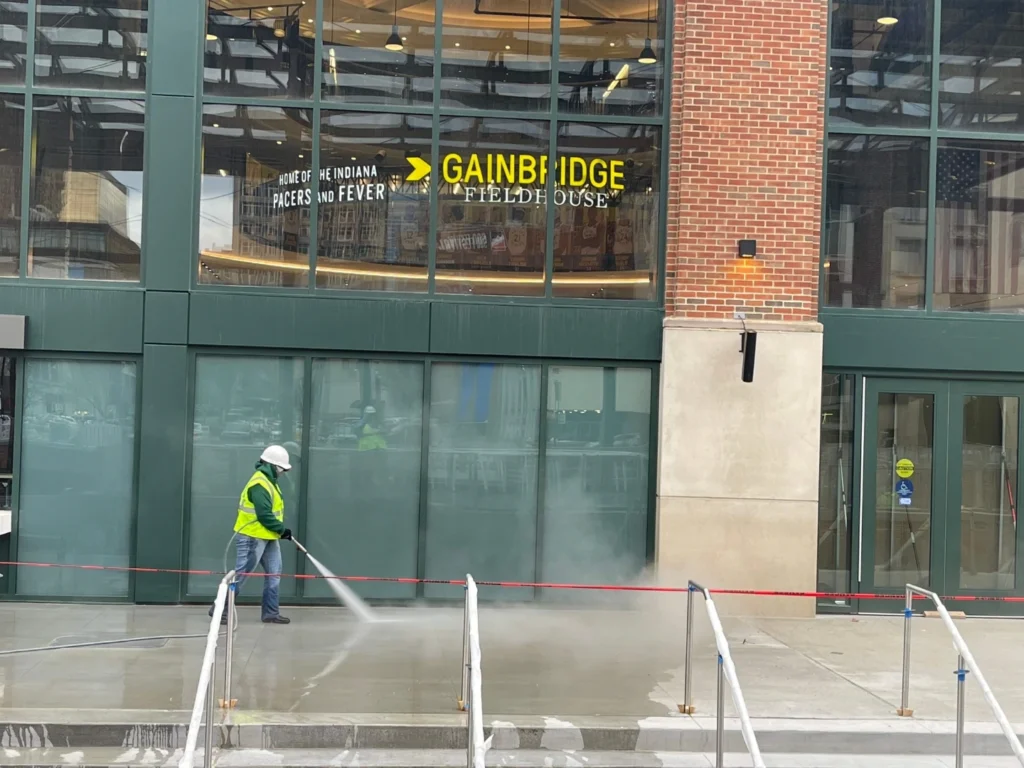
Another important part of Pressure Doctor’s growth has been the variety of customers and industries we serve. We aren’t dependent on a specific type of property or customer. Our experience extends across airports, hospitals, universities, industrial facilities, retail centers, restaurants, municipalities, property managers, and other commercial properties.
Working with such a diverse range of industries has helped us develop experience with different types of buildings, surfaces, cleaning requirements, and project challenges. A project at an industrial facility may require a very different approach than cleaning a retail center or working with a municipality.
That variety has also contributed to our company’s stability and continuous growth. By offering a wide range of exterior cleaning services to different industries, we can adapt to changing needs and continue finding opportunities to put our equipment, experience, and expertise to work.
Expanding into Professional Holiday Lighting
Not all of Pressure Doctor’s growth has come from exterior cleaning services. Another major area of diversification has been professional holiday lighting, which has become a significant seasonal division of the company.
Pressure Doctor handles the entire process, including design, installation, maintenance, takedown, and storage for both residential and commercial customers. Adding holiday lighting has given us another way to serve our customers while creating seasonal opportunities for our team.
Investing in Equipment to Find Solutions
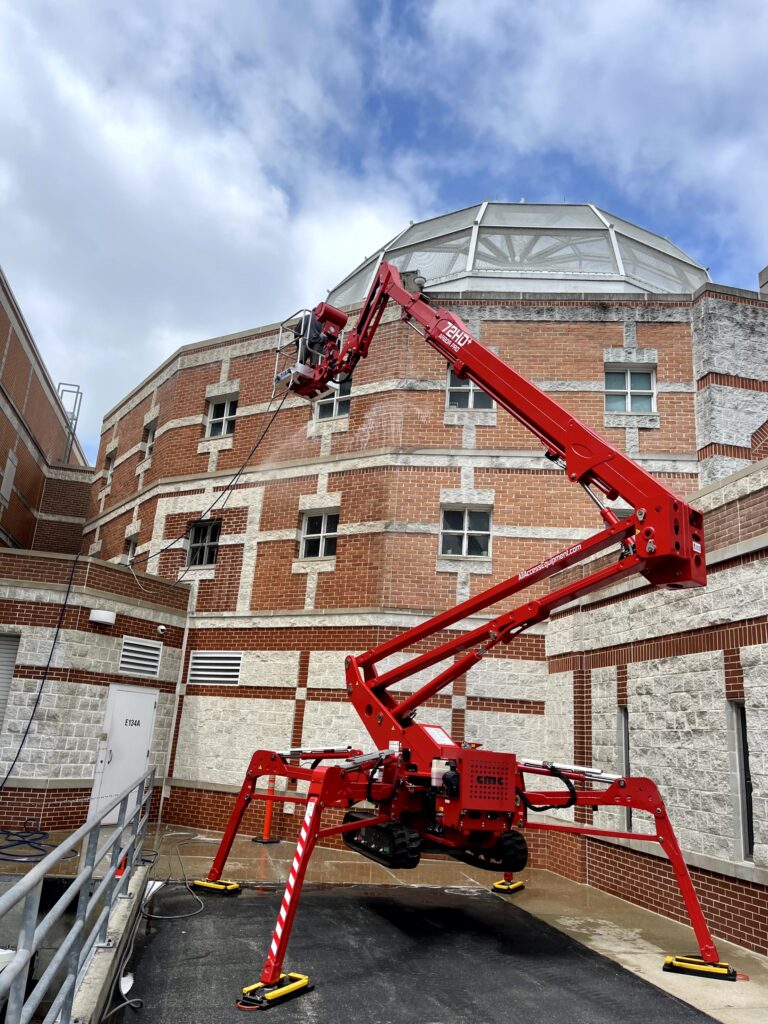
At Pressure Doctor, we do not want a difficult project to automatically become a project we have to turn down. Over the years, that mindset has encouraged us to continue investing in specialized equipment and technology.
These tools allow us to take on exterior cleaning services for water towers, tall buildings, roofs, and other hard-to-reach areas. By continuing to invest in new solutions, we can take on more specialized projects and handle challenges that other exterior cleaning companies may not be equipped to manage.
Building a Company for Year-Round Growth
One of the biggest benefits of diversification is that it allows Pressure Doctors to build a company that is not dependent on one service or one season. Exterior cleaning services, specialty commercial projects, drone services, and holiday lighting each create different opportunities throughout the year.
That benefits both our customers and our employees by allowing us to provide more services while creating more opportunities for our team. After 20 years in business, our growth reflects our willingness to evolve, invest in the business, and find new ways to serve our customers. Contact us today for an instant quote.