
Pressure washing is one of the most effective ways to restore the look of your home’s exterior, driveway, patio, or deck. But while it can deliver amazing results, it can also cause serious damage if not done properly. From stripping paint to etching concrete, small errors can lead to big repairs.
Here are some of the most common pressure washing mistakes homeowners make — and how to avoid them.
1. Using Too Much Pressure
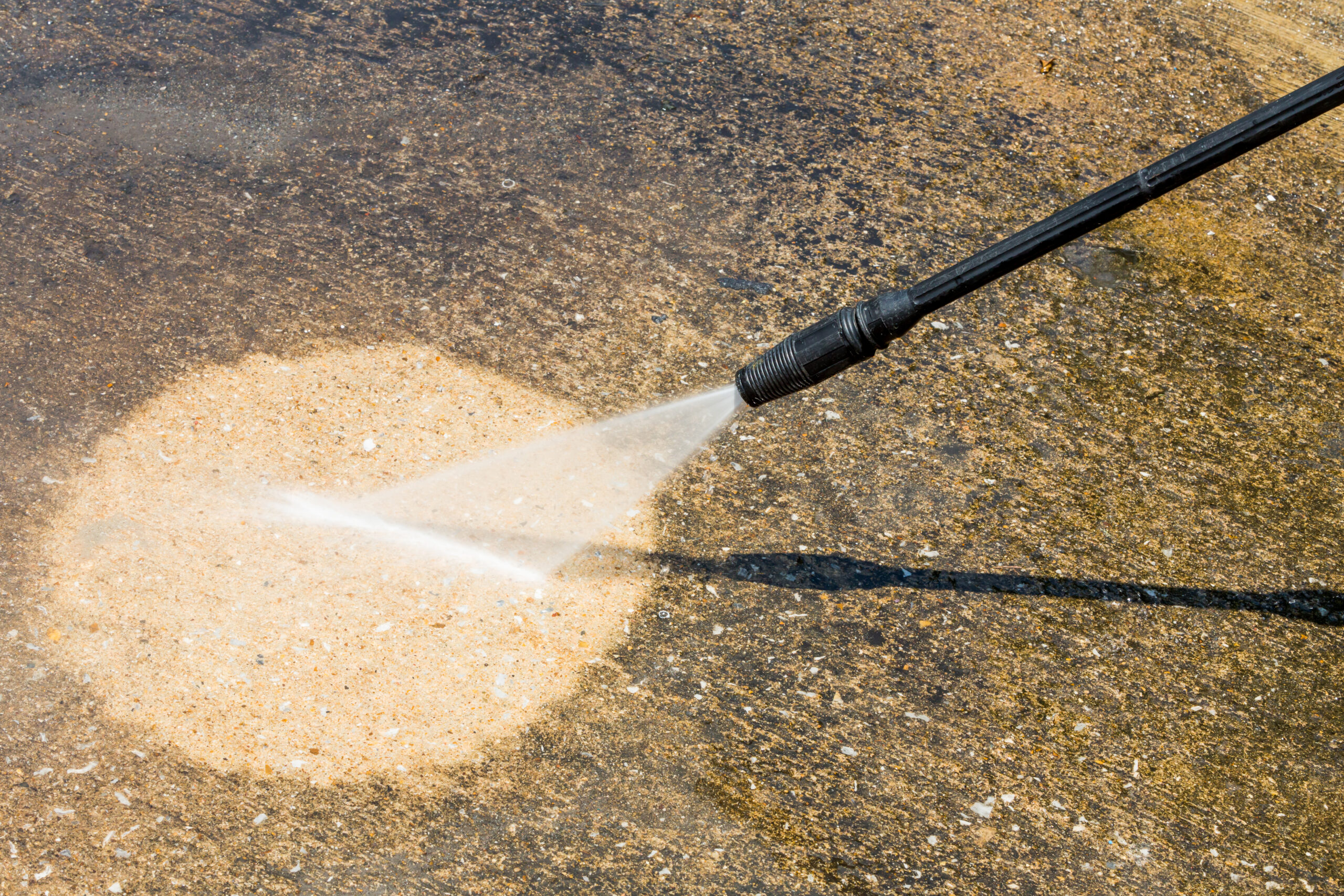
Many people assume that the higher the pressure, the cleaner the surface. Unfortunately, that’s not always true. Excessive pressure can strip paint, damage siding, and even leave permanent marks on concrete or wood.
How to Avoid It
Start with a lower pressure setting and test on a small, hidden area first. Adjust as needed for the surface you’re cleaning. Use wide spray tips (25° or 40°) for gentler cleaning and reserve narrow tips (0° to 15°) for removing tough stains.
2. Choosing the Wrong Nozzle
Pressure washers come with multiple nozzles, and each one controls the angle and intensity of the water spray. Using the wrong one can either be ineffective or cause damage.
How to Avoid It
Know your nozzles:
0° (Red) — This narrow, high-pressure stream is very powerful and should only be used to remove stubborn stains on tough surfaces.
15° (Yellow) — This more-focused stream works well on concrete and brick and for other heavy-duty cleaning.
25° (Green) — This nozzle produces a wider fan for all-purpose cleaning (driveways, decks, siding).
40° (White) — This is the widest stream, and it provides a gentle rinse for delicate surfaces.
Always match the nozzle to the material you’re cleaning to avoid mistakes.
3. Standing Too Close
Holding the wand too close to the surface can gouge wood, dent siding, or remove mortar from brick.
How to Avoid It
Stay at least 12 to 18 inches from the surface you’re cleaning. Move the wand in smooth, overlapping strokes instead of concentrating on one spot.
4. Skipping Detergent or Using the Wrong One
When you rely on water alone, you may not be able to remove dirt, mold, or oil stains. And using the wrong detergent can harm plants or surfaces.
How to Avoid It
Use a cleaner designed for pressure washers and for the specific surface you’re cleaning. Always rinse thoroughly to prevent residue or streaking.
5. Ignoring Safety Precautions
Pressure washers are not toys. They can cause injuries or property damage if not handled carefully.
How to Avoid It
- Wear safety goggles, gloves, and sturdy shoes. Consider also wearing long pants and sleeves.
- Never point the spray at people or pets.
- Avoid using a ladder — the kickback can cause falls. Use an extension wand for high areas instead.
- Make sure the area is clear of debris and loose items before you start spraying.
- Never leave the nozzle in a closed position while it’s running, as the pump can overheat.
6. Forgetting About the Environment
Allowing runoff water to flow into storm drains or using harsh chemicals can harm local waterways.
How to Avoid It
Choose eco-friendly cleaners and direct wastewater toward soil or grassy areas where it can filter naturally. Many professional pressure washing companies use containment and recovery systems for responsible cleaning.
7. Improper Surface Preparation
When you pressure wash surfaces without preparing, it can lead to broken windows, stripped paint, inconsistent cleaning or mistakes, or damage to nearby plants or landscaping.
How to Avoid It
Before getting to work, sweep off debris and dirt, remove furniture, cover outlets, tape off vents, and protect surrounding plants and landscaping.
8. Not Knowing When to Call a Professional
DIY pressure washing can save money — until you start making mistakes. Delicate surfaces, multi-story homes, and stubborn stains often need expert care.
How to Avoid It
If you’re unsure about the right settings to choose, detergents to use, or techniques to employ, it’s usually safer (and more cost-saving) to hire a professional. They have the right equipment, experience, and knowledge to clean effectively without causing damage or making mistakes.
Be Smart and Safe When Pressure Washing
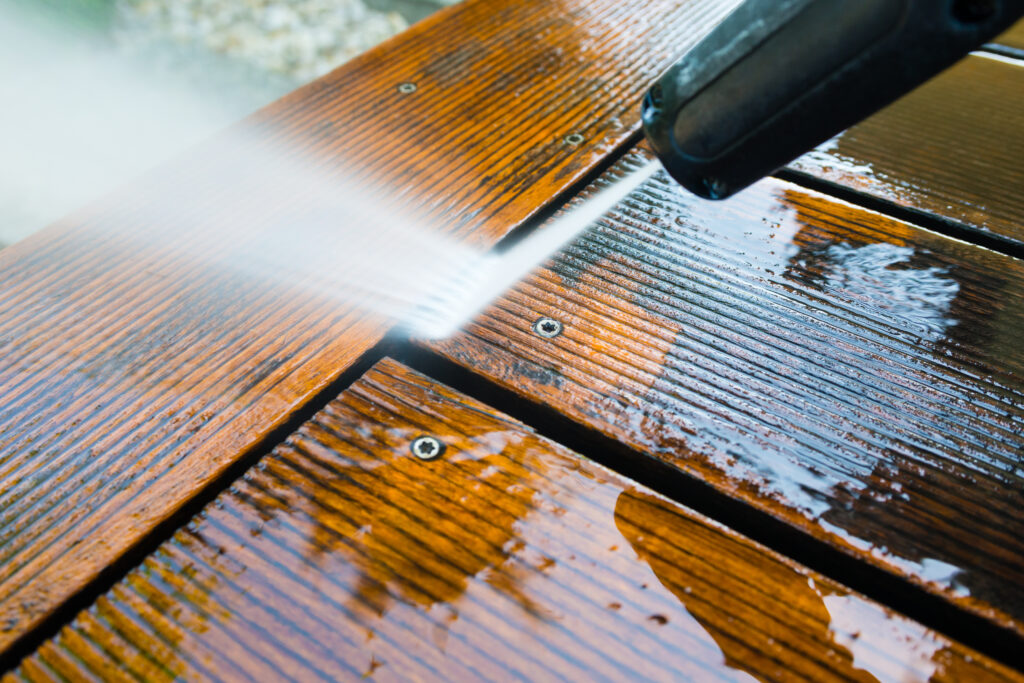
Pressure washing can efficiently clean surfaces around your home and boost your home’s curb appeal — but only if it’s done correctly. Avoiding common mistakes like using too much pressure, standing too close, or skipping the right cleaning solutions can save you from costly repairs and frustration.
Whether you’re cleaning your siding, deck, or driveway, take the time to use the right techniques and equipment. And if you’re unsure where to start, you should call in the professionals.