Pressure Doctor Background
Indianapolis Indiana Pressure Doctor Inc. Pressure Washing

Pressure Doctor Inc. Power Washing

Best Pressure Washing in Indianapolis

INSTANT QUOTE HOLIDAY LIGHTING QUOTE
  • Pressure Washing
    • Pressure Washing
    • Concrete Cleaning
    • Court Cleaning
    • Driveway Cleaning
    • Gutter Cleaning
    • House Washing
    • Oil & Grease Spill Cleanup
    • Patio Cleaning
    • Pool Surrounds
    • Roof Washing
    • Rust Removal
    • Solar Panel Cleaning
  • Commercial Pressure Washing
    • Commercial Pressure Washing
    • Building Washing
    • Dumpster Pad Cleanup
    • Graffiti Removal
    • Gum Removal
    • Limestone Restoration
    • Oil & Grease Spill Cleanup
    • Parking Garage Cleaning
    • Rafter Cleaning
    • Rust Removal
    • Solar Panel Cleaning
    • Drone De-icing
  • Specialty Services
    • Specialty Cleaning
    • Graffiti Removal
    • Gum Removal
    • Oil & Grease Spill Cleanup
    • Rust Removal
  • Drone Cleaning
    • Drone Cleaning
    • Drone De-icing
  • Concrete Sealing
    • Concrete Sealing
    • Driveway Sealing
    • Patio Sealing
  • Holiday Lighting Services
    • Christmas Light Installation
    • Residential Christmas Lighting
    • Commercial Christmas Lighting
  • Industries We Serve
    • Apartment Complexes
    • Commercial Properties
    • Education Institutions
    • Event Venues
    • Homeowner Associations
    • Hospitality Industries
    • Hospitals and Medical Facilities
    • Industrial Facilities
    • Municipalities and Government Buildings
    • Post Construction Clean Up
    • Property Management Companies
    • Restaurants
    • Retail Chains
  • Why Us?
    • Why Us?
    • Our Story
    • Certifications and Qualifications 
    • Reviews
    • Gallery
    • Areas We Serve
    • Blog
    • Contact

Pressure Washing vs. Soft Washing: What’s the Difference?

Home | Pressure Washing | Page 3

When it comes to residential and commercial exterior cleaning, you may hear the terms pressure washing and soft washing used interchangeably. However, it’s important to note that they aren’t the same. Each method uses water to clean, but the equipment, technique, and best-use cases differ significantly. Understanding the difference can help you choose the safest and most effective way to keep your property looking its best. 

What Is Pressure Washing?

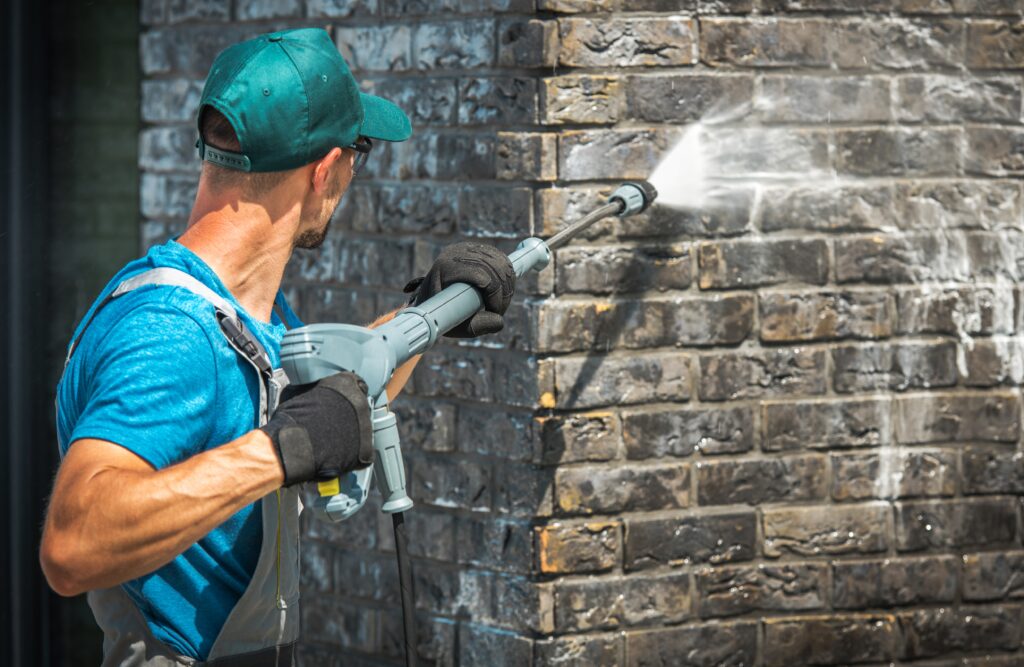
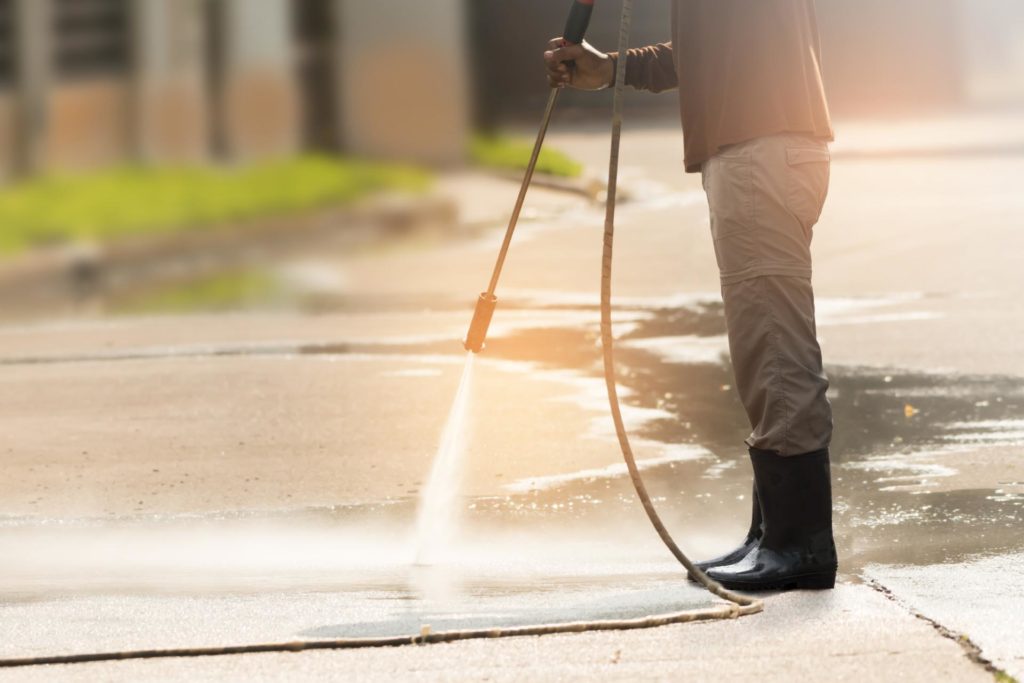
Pressure washing, also known as power washing, utilizes a high-pressure stream of water (typically between 1,500 and 3,000 PSI) to remove dirt, mold, mildew, algae, and built-up grime from exterior surfaces. You can use different nozzles to adjust the spray pattern and pressure, allowing for versatility in cleaning various surfaces. 

It works best for cleaning: 
Pressure Washing vs. Soft Washing: What’s the Difference?
  • Concrete driveways and sidewalks.
  • Brick walls.
  • Mental fences and railings.
  • Stone patios and pavers.
  • Plastic outdoor furniture.

Provides the following advantages: 

  • Offers fast and powerful cleaning. 
  • Removes deep-set grime and stains.
  • Works well on heavily soiled, durable surfaces.
  • Creates a healthier living environment.
  • Improves curb appeal and increases property value.

But it can also:

  • Strip paint and dent soft surfaces.
  • Cause water to seep under siding, causing moisture issues and potential mold growth.
  • Crack and splinter wood, leading to structural issues. 
  • Shatter or crack windows
  • Etch or damage surfaces

When using a pressure washer for the first time, read the instructions, start with low pressure and gradually increase, and test an inconspicuous area to ensure you don’t damage any surfaces. A pressure washer isn’t a toy and should be used with caution. 

What Is Soft Washing?

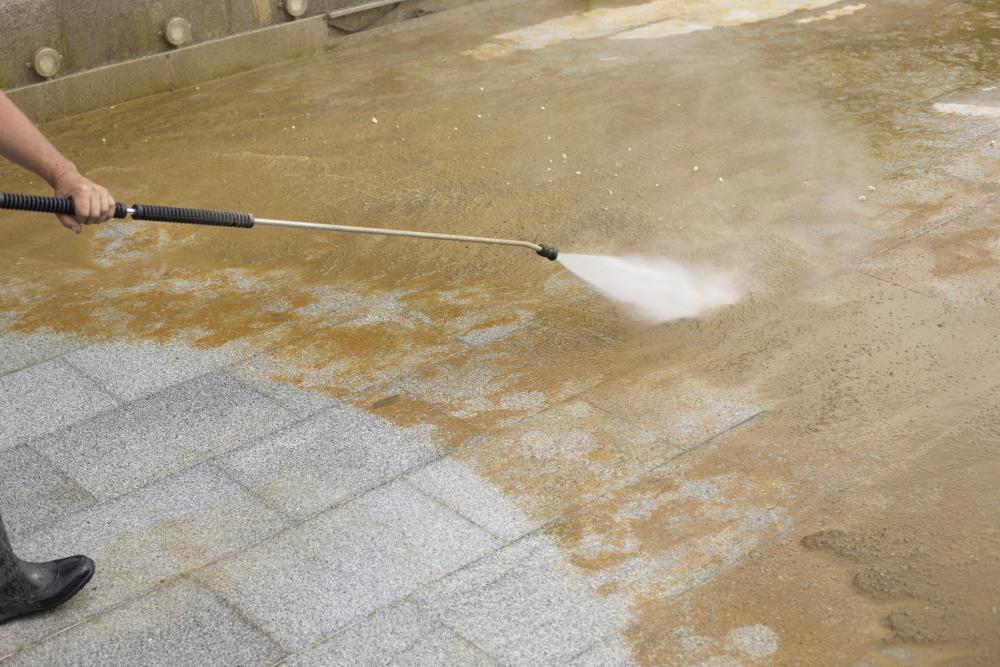
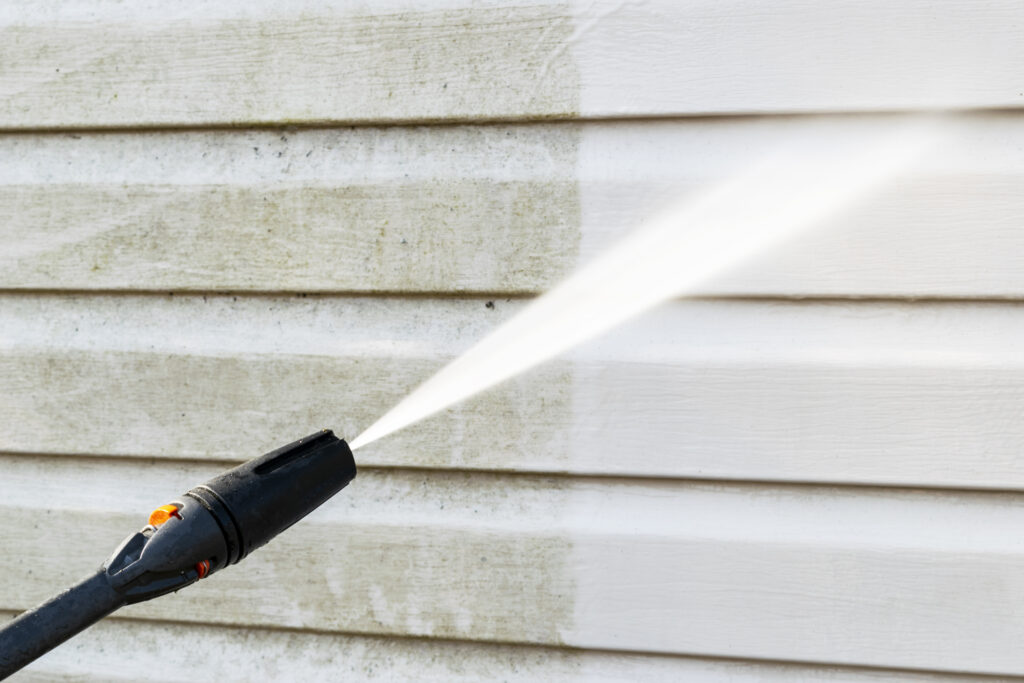
Soft washing uses low-pressure water (under 500 PSI) combined with specialized cleaning solutions to gently remove dirt, algae, mold, and other contaminants. It is generally considered a safer method of cleaning. 

It works best for cleaning:
Pressure Washing vs. Soft Washing: What’s the Difference?
  • Roof shingles.
  • Vinyl siding.
  • Stucco.
  • Wood decks and fences.
  • Delicate outdoor furniture.
  • Windows and screens. 
  • Gutters, soffits, and fascia. 
  • New concrete surfaces. 

Provides the following advantages: 

  • Gentle on surfaces, reducing the risk of damage. 
  • Cleaning agents used kill mold, algae, and bacteria. 
  • Longer-lasting results compared to pressure washing alone. 
  • Works well for older homes with delicate surfaces. 
  • Safer for the environment.
  • Helps your property look fresh and maintained.

But it can also:

  • Take longer because it needs time for the cleaning solution to work. 
  • Leave behind stubborn strains, like oil, grease, rust, and paint.
  • Require multiple applications or longer dwell times to achieve your desired results. 
  • Cost more because of the specialized cleaning solutions. 
  • Harm plants and the surrounding landscaping if the runoff isn’t managed. When rinsing off cleaning detergent, be mindful of where it goes. 

When to Use Each Method

Both soft washing and pressure washing require the right equipment, techniques, and cleaning solutions in order to avoid costly damage. 

Pressure Washing: This works best for durable, non-porous surfaces that can handle high water pressure, such as concrete, brick, and stone. 

Soft Washing: This works best for delicate, painted, or porous materials covered in mold and mildew or where high pressure might cause damage. Use soft washing when cleaning siding, roofing, or wooden structures. 

Why Hiring a Professional Matters

Both methods require the right equipment, techniques, and cleaning solutions to avoid costly damage. A professional cleaning service:

  • Knows which method to use on which surfaces to get the best results
  • Uses the proper water pressure and cleaning solutions. 
  • Ensures safety for both your property and the environment. 
  • Identifies potential hazards, like loose materials or vulnerable areas, and takes necessary precautions. 
  • Uses commercial-grade equipment to do a thorough cleaning and get your property looking better than ever. 

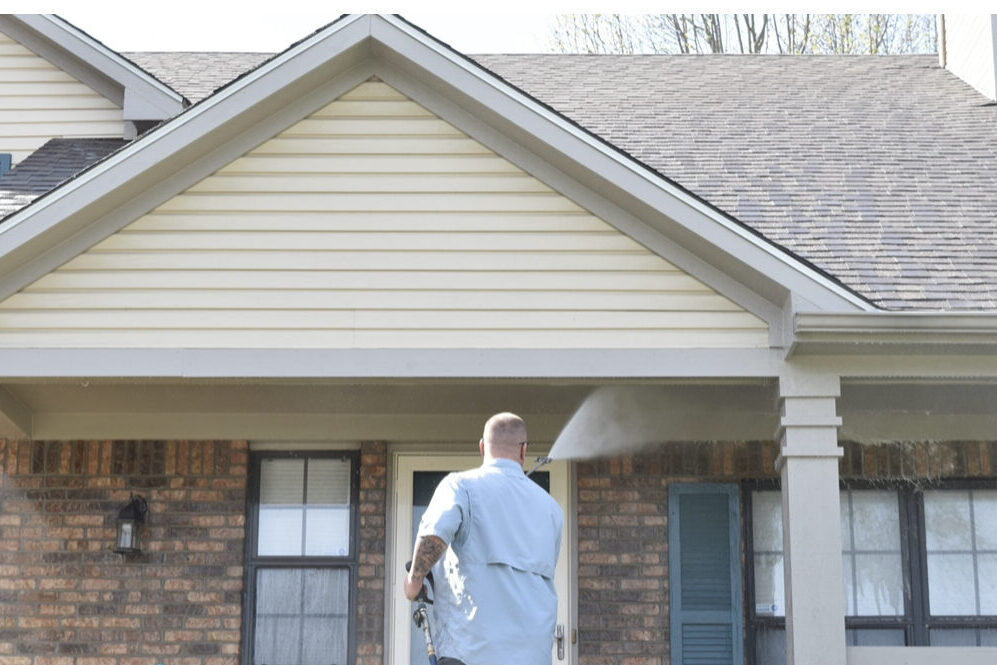
When you pressure wash surfaces yourself, you not only risk using too much pressure, stripping paint, and damaging your property, but also using the wrong cleaning solution, killing plants, staining surfaces, and harming pets. Professional cleaning may cost you more initially, but it will be worth the investment. 
Pressure Washing Indianapolis, IN

Pressure Washing and Soft Washing: The Key to a Beautiful Property

While pressure washing and soft washing both aim to restore the beauty of your property, they achieve it in different ways. Pressure washing delivers high-pressure jets of water to remove stains, grime, and debris from tough, durable surfaces, while soft washing offers a gentler touch for delicate areas and provides long-lasting results. Choosing the right method not only ensures better results but also protects your home or business from unnecessary damage. 

By working with an experienced professional, you can enjoy a cleaner, healthier, and more attractive property all year round. 
How to Prepare Your Home for a Professional Pressure Washing

If you’ve hired a professional pressure washing service, you may wonder if you need to do anything before the crew arrives. To protect your home and your belongings, you will want to do a few things before the water starts blasting. Here’s a step-by-step guide on how to prepare your home for pressure washing. 

Clear the Work Area 

Before your service appointment, remove any items that might be in the way of the technicians. This includes:

  • Patio furniture.
  • Potted plants.
  • Grills.
  • Garden decor.
  • Toys, bikes, and other outdoor equipment.

Removing these items ensures the pressure washing team has full access to the surfaces they are cleaning and protects your belongings from potential damage. 

Close and Lock Doors and Windows

Pressure washing equipment deploys powerful high-pressure jets of water. To avoid getting water inside your home: 

  • Double-check that all doors and windows are fully closed.
  • Seal any gaps or cracks that may let water in.
  • Cover vents or openings if necessary.

Additionally, consider removing the screens from your windows before the pressure washing. 

Protect Delicate Landscaping

High-pressure water can damage delicate plants and landscaping features. If possible, prepare your landscaping by:

  • Covering shrubs and flower beds with a tarp or plastic sheeting.
  • Letting the pressure washing crew know about any areas that need extra precaution or should be avoided. 

Tarps can bake your plants if left on too long, so it’s best to move plants away from the house if possible. Take the time to move any potted plants or flowers. 

Move Vehicles and Keep Driveways Clear

If you’re having your driveway, garage door, or walkways cleaned, move vehicles out of the way before the crew arrives. Park them on the curb or in your garage if it’s not being cleaned to allow full access to the work area. 

Secure Pets and Children Indoors

Pressure washers are loud and powerful, so they may frighten pets and children. For their safety and the crew’s peace of mind, keep pets and young kids indoors during the service and let the technician know if there are any animals on or near your property. 

Notify Neighbors (If Needed) 

If you live in a close-knit neighborhood or a townhouse or duplex, consider informing your neighbors, so they are aware of and can prepare for the temporary possible interruption from the noise and water spray. 

How to Prepare Your Home for a Professional Pressure Washing

Point Out Problem Areas

Take a walk around your property with the head technician before the job begins and:

  • Point out any areas of concern, such as stains, mold, or mildew, or areas that may need extra attention.
  • Note any delicate areas that should be avoided or only soft-washed. 
  • Discuss expectations and confirm the scope of work. 

Before the crew arrives, you should inspect your home’s exterior for any loose siding and damaged paint that could be vulnerable to water damage.

Turn Off Outdoor Electronics and Cover Outlets

It’s common knowledge that water and electricity don’t mix. Prepare your home by:

  • Turning off outdoor lighting and unplugging any electronics, extension cords, or appliances.
  • Covering outdoor electrical outlets with waterproof material. 

Other Preparations 

Prepare for Water Runoff — Prepare for water to run off your property, and consider where it will drain.

Schedule on a Dry Day — If possible, schedule your pressure washing service on a clear, dry day to allow for proper drying time. 

Locate Your External Water Source — Professional pressure washers may need access to a functional exterior water source. If you know where it’s located, you can streamline the entire process. 

Why Invest in Professional Pressure Washing Services?

You may be tempted to purchase a pressure washer and clean the exterior of your home yourself, but there are many reasons to hire an experienced crew to tackle your cleaning:

Expertise and Knowledge — Professionals have the experience and training to handle various surfaces and cleaning needs, ensuring the right pressure and cleaning solutions are used to prevent damaging your home’s exterior. 

Specialized Equipment — Professionals have industrial-grade washers and specialized equipment, which allows them to achieve superior cleaning results in less time than consumer-grade equipment. 

Time and Effort Savings — Hiring professionals frees up your time for other priorities and eliminates the physical effort required for the task. 

How to Prepare Your Home for a Professional Pressure Washing

Safety — They know how to safely use a pressure washer and navigate your home’s exterior, minimizing the risk of injury to themselves and others.

Protect Your Home By Preparing for Pressure Washing

If you prepare your home before your professional pressure washing service, you can protect your property and ensure you receive the best results. By following these simple steps, you’ll help the technicians work more safely and more efficiently, allowing you to enjoy a fresh, clean exterior in no time. 

What Surfaces Can (and Can’t) Be Pressure Washed?

Pressure washing can effectively clean outdoor surfaces, however, it’s not a one-size-fits-all solution. Using high-pressure water on the wrong materials can cause serious damage. Whether you’re a homeowner or a property manager, it’s important to know what surfaces can handle a pressure wash — and which ones need gentler cleaning methods. 

Surfaces That Can Be Pressure Washed

Concrete and Asphalt Driveways 

Concrete and asphalt surfaces are durable and can withstand high-pressure cleaning. You’ll be able to effectively remove oil stains, mildew and mold, grime, and embedded dirt, making driveways look new again. It can also help prepare these surfaces for painting, sealing, or staining. 

Brick and Stone Patios

You can safely pressure wash unsealed brick and natural stone to remove grime and moss. However, be cautious with mortar joints, especially if they’re old or crumbling; you may need to use lower pressure, around 1000 to 15000 PSI.

Vinyl Siding

When pressure washing vinyl siding, use moderate pressure, a wide spray nozzle, and keep the wand at a safe distance to avoid cracking or forcing water behind the siding panels. You may want to test the pressure and nozzle on a hidden spot to ensure no damage occurs.

Wood Decks and Fences

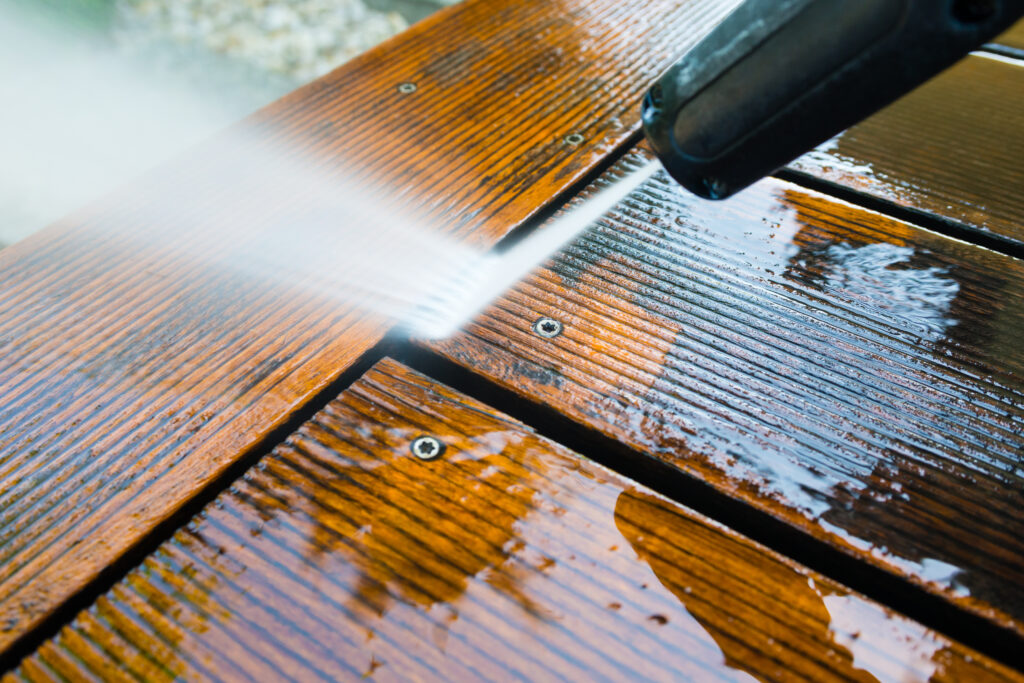
You can pressure wash wood as long as you exercise caution so as not to splinter it, create new scratches, or cause it to become fuzzy. Use lower pressure and a wide nozzle to avoid splintering or etching the surface. Softwood, in particular, is prone to damage. 

Outdoor Furniture (Plastic and Metal)

Plastic chairs and metal patio sets can handle pressure washing, especially when removing built-up grime and bird droppings. Use low or moderate pressure and a fan spray, which helps spread the water stream, reducing the risk of damage. 

Garages and Workshop Floors

Garage and workshop floors often accumulate oil, paint, and dirt. You can use pressure washing to deep-clean garage floors, especially when combined with a degreasing agent. Be mindful of drywall, particularly if it’s not sealed. If you’re worried, cover it with a tarp or sheet. 

What Surfaces Can (and Can’t) Be Pressure Washed?

Surfaces That Should Not Be Pressure Washed

Roof Shingles (Especially Asphalt)

Pressure washing can loosen shingles, remove granules, damage the roof itself, and lead to leaks. If you need to clean your roof, use soft washing methods with a mild detergent. This will effectively remove dirt, moss, and mildew without damaging roofing material. 

Old or Weathered Wood

Older wood may be too soft and brittle to handle any level of pressure washing without damage. Hand cleaning or soft washing is safer and more effective.

Windows and Glass Panels

High-pressure water can shatter glass or damage seals, especially if the windows are older or delicate. Use a soft brush or squeegee with a glass-safe cleaner for a streak-free finish. 

Electrical Panels and Outdoor Fixtures

Never mix water with electricity. Keep pressure washers away from meters, panels, electrical outlets, and outdoor lighting to prevent electrical hazards and fire risk. If you want to clean around electrical fixtures, consider hiring a professional. 

Painted Surfaces (Unless You’re Removing Paint)

Keep your pressure washer away from painted surfaces, unless you’re trying to strip the paint. High-pressure water can cause peeling, chipping, or an uneven finish on painted surfaces.

Vehicles (Without Proper Settings)

While some car washes do use pressure, a home pressure washer might be too powerful and damage your car’s paint or trim. If you want to use your pressure washer to clean your car, use the proper low-pressure nozzles. 

Pressure Washing Tips 

Here are a few tips if it’s your first time using a pressure washer:

Prep the Area Properly — Clear the area you are going to pressure wash of any debris, protect plants with tarps, and cover fixtures and electrical outlets. 

Use Detergent Wisely — Dilute detergent according to the manufacturer’s instructions and avoid excessive foaming, which can damage the pump. 

Understand Nozzles — Use the proper nozzle, as every nozzle produces different spray patterns and pressures. A wider spray will be more gentle, while a narrower spray will be more powerful. 

Keep a Good Distance — Start with a distance of one to two feet from the surface and gradually move closer as needed, and if the material can handle it. 

What Surfaces Can (and Can’t) Be Pressure Washed?

Use Your Pressure Washer Wisely 

Pressure washing can effectively clean and refresh a variety of surfaces, but it’s not suitable for everything. Using the wrong pressure or technique on delicate materials can lead to costly damage. By understanding which surfaces can handle a pressure wash and which ones can’t, you’ll get better results and protect your property. When in doubt, start with a lower pressure setting or call in the professionals to ensure a safe and effective clean. 

« Previous Page
Next Page »

Contact Us

6110 ROCKDELL DR. INDIANAPOLIS,
IN 46237

463.258.7043
Monday 8:00 AM - 5:00 PM
Tuesday 8:00 AM - 5:00 PM
Wednesday 8:00 AM - 5:00 PM
Thursday 8:00 AM - 5:00 PM
Friday 8:00 AM - 5:00 PM
Saturday Closed
Sunday Closed

Directions

Contact Us

INSTANT QUOTE

FOLLOW US

2026 Pressure Doctor Inc. Power Washing | All Rights Reserved | Privacy Policy | Terms | Anti-Discrimination Disclaimer | Accessibility Statement | XML Sitemap | Sitemap | Site by PDM