Pressure Doctor Background
Indianapolis Indiana Pressure Doctor Inc. Pressure Washing

Pressure Doctor Inc. Power Washing

Best Pressure Washing in Indianapolis

INSTANT QUOTE HOLIDAY LIGHTING QUOTE
  • Pressure Washing
    • Pressure Washing
    • Concrete Cleaning
    • Court Cleaning
    • Driveway Cleaning
    • Gutter Cleaning
    • House Washing
    • Oil & Grease Spill Cleanup
    • Patio Cleaning
    • Pool Surrounds
    • Roof Washing
    • Rust Removal
    • Solar Panel Cleaning
  • Commercial Pressure Washing
    • Commercial Pressure Washing
    • Building Washing
    • Dumpster Pad Cleanup
    • Graffiti Removal
    • Gum Removal
    • Limestone Restoration
    • Oil & Grease Spill Cleanup
    • Parking Garage Cleaning
    • Rafter Cleaning
    • Rust Removal
    • Solar Panel Cleaning
    • Drone De-icing
  • Specialty Services
    • Specialty Cleaning
    • Graffiti Removal
    • Gum Removal
    • Oil & Grease Spill Cleanup
    • Rust Removal
  • Drone Cleaning
    • Drone Cleaning
    • Drone De-icing
  • Concrete Sealing
    • Concrete Sealing
    • Driveway Sealing
    • Patio Sealing
  • Holiday Lighting Services
    • Christmas Light Installation
    • Residential Christmas Lighting
    • Commercial Christmas Lighting
  • Industries We Serve
    • Apartment Complexes
    • Commercial Properties
    • Education Institutions
    • Event Venues
    • Homeowner Associations
    • Hospitality Industries
    • Hospitals and Medical Facilities
    • Industrial Facilities
    • Municipalities and Government Buildings
    • Post Construction Clean Up
    • Property Management Companies
    • Restaurants
    • Retail Chains
  • Why Us?
    • Why Us?
    • Our Story
    • Certifications and Qualifications 
    • Reviews
    • Gallery
    • Areas We Serve
    • Blog
    • Contact

Paver Sealing: Protecting and Enhancing Outdoor Surfaces

Home | Pressure Washing | Page 4

Paver Sealing: Protecting and Enhancing Outdoor Surfaces

Many people choose pavers for their driveways, patios, walkways, and pool decks due to their durability, aesthetic appeal, and versatility. However, without proper maintenance, even high-quality pavers can become stained, faded, or damaged over time. If you want to effectively protect and preserve your investment, consider sealing your pavers. 

What are Pavers?

Pavers, also known as paving stones, are made of natural stone, brick, concrete, or other materials. These individual stones are laid together in a pattern on top of a foundation of compacted sand to create a durable and attractive outdoor surface. Pavers are commonly used for patios, walkways, driveways, and pool decks, but they can be used for any outdoor surface.

What is Paver Sealing?

Paver sealing involves applying a protective sealant to the surface of the pavers. This creates a barrier against the elements and prevents water, oil, dirt, and other contaminates from wearing away the surface. It also helps preserve the color and stabilize the joint sand, reducing weed growth and insect infestation. 

Benefits of Paver Sealing 

Protection Against Stains and Spills

The porous nature of unsealed pavers allows them to absorb oil, grease, and other stains easily. A high-quality sealant creates a protective layer, making spills easier to clean and reducing the risk of permanent staining and damage. 

Enhanced Appearance

Sealing enhances the beautiful natural colors and textures of the pavers, giving them a vibrant and appealing look that makes your outdoor space appear fresh and well-maintained, boosting your curb appeal and property value.

Weed and Moss Prevention

Sealed joints keep dirt out and prevent the growth of weeds, moss, and grass, helping maintain a cleaner and more polished look without constant care and attention. 

UV Protection

Constant sun exposure can cause pavers to fade and lose their original color. A UV-resistant sealant protects against sun damage and keeps your pavers looking bright and new for longer. 

Weather Resistance

Rain, snow, and freeze-thaw cycles can erode the surface and joint sand of unsealed pavers, Sealing provides a waterproof layer that shields your pavers from harsh weather conditions. 

Efflorescence Prevention

Paver Sealing: Protecting and Enhancing Outdoor Surfaces

Sealing pavers helps prevent efflorescence, the white, powdery mineral substance that can sometimes appear on the surface of pavers, dulling the colors and making them look unappealing.

Insect Prevention 

Ants love to build mounds in the empty spaces between pavers. A sealant deters them, keeping your pavers safe from damage A sealant will also prevent other insect or crittle debris and damage. 

Enhanced Traction

Sealed surfaces can be safer in wet conditions as they provide better traction and reduce the risk of slipping, which is particularly important in areas with snow and ice.

Easier Maintenance

Sealed pavers are easier to clean and require less frequent deep cleaning. Dirt and debris are less likely to cling to the smooth, sealed surface. Less cleaning also means reduced maintenance costs, putting more money in your pocket. 

When Should You Seal Your Pavers?

Ideally, pavers should be sealed 60 to 90 days after installation to allow for proper settling and cleaning. Avoid sealing your pavers during really hot or cold days, as this could affect the sealer’s performance. Aim for 50 to 90 degrees and avoid days when it’s likely to rain. 

Pavers should be resealed every three to five years, depending on the amount of traffic they experience, exposure to the elements, and the type of sealant used. You should reseal your pavers if they show signs of dullness, staining, moss growth, or sand loss. 

Choosing the Right Sealant

Not all sealants are the same. The kind of sealant you should get depends on your paver type, desired finish, and specific environmental conditions. You can choose from: 

Solvent-Based Sealers — These offer a high-gloss finish and bring out color vibrancy. However, they may have strong odors and VOCs.
Water-Based Sealers — These are environmentally friendly, lower odor, and great for residential use. They come in various finishes and provide solid protection.
Film-Forming Sealers — Film-forming sealers create a visible layer over the surface, enhancing gloss and offering strong protection.
Penetrating Sealers — These sealers absorb into the paver without altering the surface appearance, ideal for those wanting a natural matte look. 

If you aren’t sure which sealant to use, consider consulting a professional to ensure the best results and long-lasting protection. 

Paver Sealing: Protecting and Enhancing Outdoor Surfaces

Should You Seal Your Pavers? 

Paver sealing not only enhances the beauty of your outdoor surfaces but also protects them from damage and deterioration. Whether you want to boost curb appeal, increase property value, or simply make maintenance easier, you won’t regret investing in paver sealing.
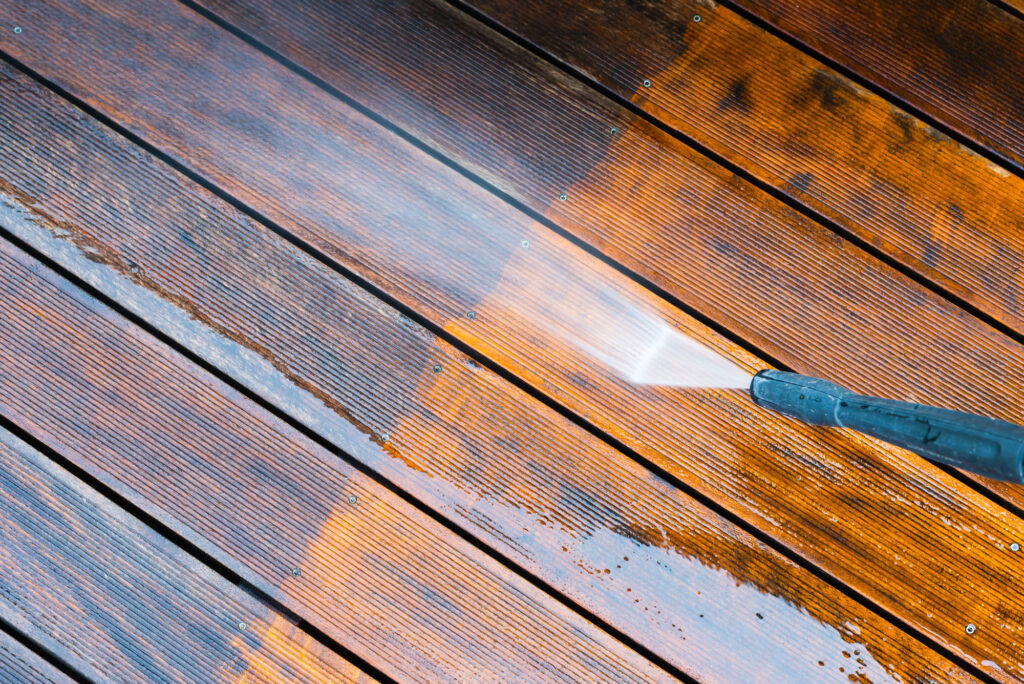
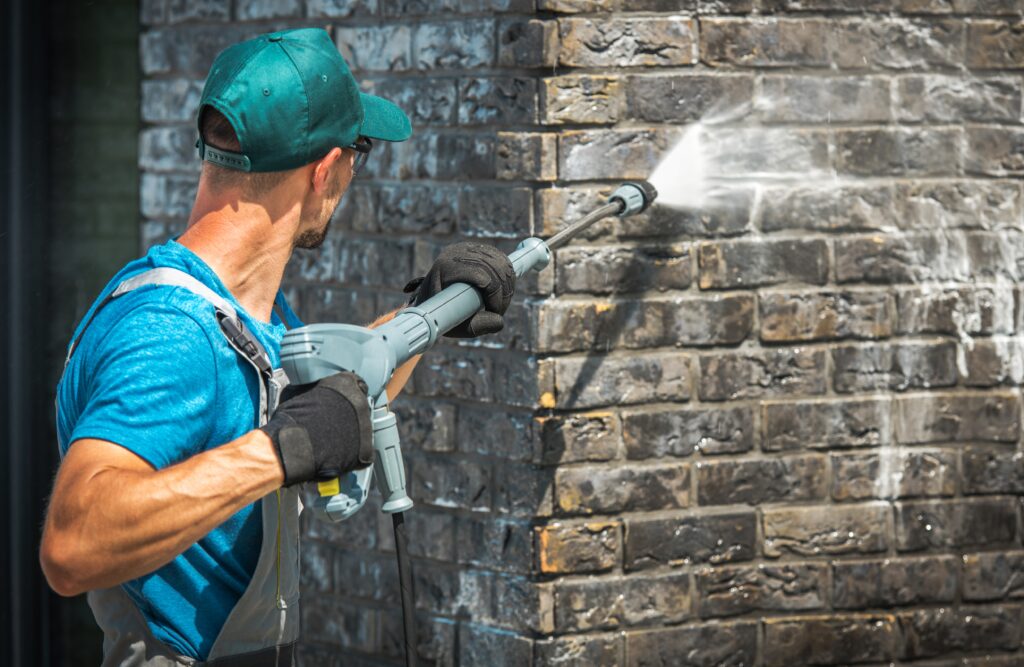
guide to safe and effective pressure washing

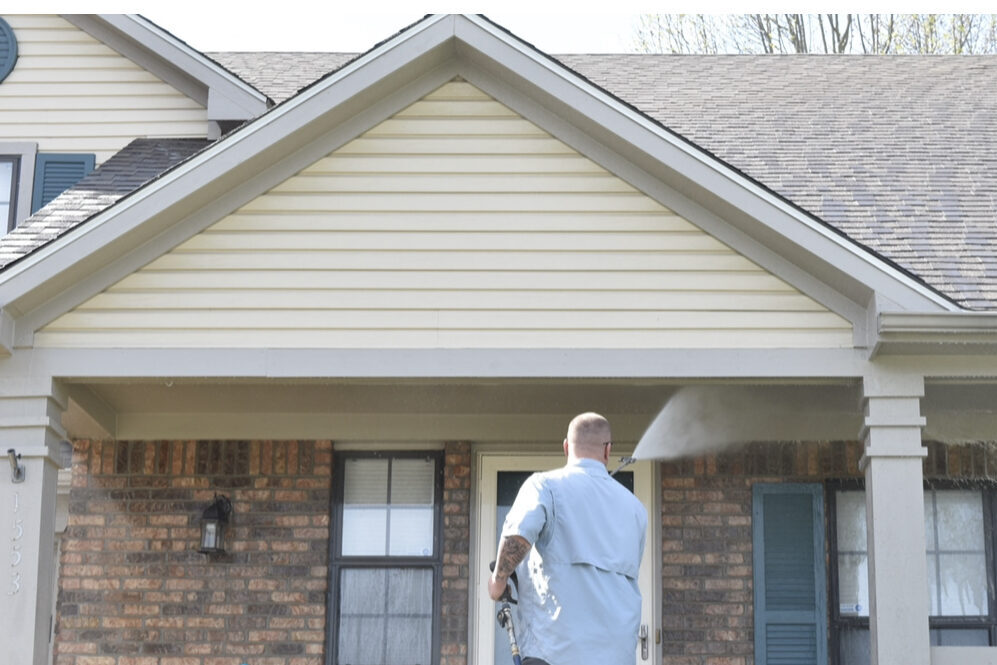
Pressure washing can effectively clean surfaces, remove built-up dirt and grime, and restore your home’s exterior. However, improper use can lead to damage, wasted resources, and even safety hazards. If you are a pressure-washing novice, here is a comprehensive guide to safe pressure washing. 

Best Practices for Effective Cleaning

Use the Right Pressure Settings

Some surfaces are sturdy, and some are delicate, so make sure you are using the right pressure settings to avoid accidental damage. Low-pressure settings work best for wood and siding, while higher pressure works well for concrete.

Wear Protective Gear

Always wear safety goggles, gloves, and sturdy, closed-toed shoes to protect yourself from debris and high-pressure water.  You may not feel the need to be careful, but you never know when a small rock will bounce up and hit you in the eye. 

Test on a Small Area First

Before pressure washing an entire surface, test a small, inconspicuous area to ensure the pressure and detergent are appropriate and won’t damage the surface you are cleaning. This is also a good time to practice and get used to the pressure washer.  

Use the Right Cleaning Solutions

Certain surfaces may require specialized cleaning solutions to effectively remove stains and mildew. Make sure the detergent you have is safe for the surface and the environment. Your power washer’s instruction manual should include a list of recommended cleaners based on different surfaces. 

Maintain a Safe Distance

Keep at least a 10-foot distance between you and the surface you are cleaning. Holding the nozzle too close can damage surfaces. If you feel you aren’t close enough to remove the grime you are targeting, you most likely need to adjust the pressure, not get closer. 

Use Proper Technique

Start with the lowest pressure setting and the widest spray angle, gradually increasing it to the ideal amount. Use consistent, up-and-down, sweeping motions to avoid uneven streaks or damage to the surface.

safe and effective pressure washing

Follow Manufacturer Guidelines

Always refer to your pressure washer’s manual as it contains important information regarding how you pressure washer works, how to safely operate it, and what not to do. It will contain details about your specific washer as each one is a bit different. 

Hire a Professional 

If you are nervous about pressure washing, have a large area that needs cleaning, or don’t know how to start, consider hiring a professional. They will know the correct cleaners, techniques, and pressure to use to effectively clean your home or business without damaging it. 

Pressure Washing Precautions

Avoid Excessive Pressure

Using too much pressure can lead to accidental damage to your home or business. Heavy force can strip paint, damage wood, and crack siding. Make sure you always adjust pressure settings based on the material being cleaned and remember to not underestimate the strength of your power washer. 

Be Careful Around Windows or Electrical Components

Avoid directing high-pressure water at windows, electrical panels, or outlets, as it can cause damage and potential safety risks. You should be extra careful around anything electrical as a short circuit could lead to a fire. Unnecessary damage can also lead to costly repairs. 

Stay Off Ladders

The force of the pressure washer can cause instability, making ladder use dangerous. Instead, use extension wands for high areas to avoid the risk of injury or even death. 

Avoid Hot Water

Certain materials, such as wood and vinyl, can warp or become damaged when exposed to high-temperature water. Make sure you use the right temperature of water for the material you are cleaning; most can be cleaned using cold water. 

Ensure Proper Drainage

After pressure washing, ensure proper drainage and avoid leaving standing water to prevent mold, mildew, and water damage.

Avoid Aiming at People or Pets

Safe Pressure Washing Indianapolis, IN

Don’t point the jet of water at any person, animal, or part of your body. The pressure from the jet can be powerful enough to rip your skin off and injure those around you. 

Cover Plants and Outdoor Furniture

Prepare your property for pressure washing by covering nearby plants, outdoor furniture, and delicate decorations from harsh chemicals and high-pressure water.

Be Smart When Using a Pressure Washer

 Pressure washing can help you easily and effectively clean the exterior of your home or business. But if not used correctly, it could lead to costly damage and even injuries. Make sure to follow this guide to safely achieve a clean, polished look that will be the envy of the neighborhood. 

cleaning high rise buildings with drones

Maintaining the exterior of high-rise buildings has always posed a challenge. Traditional methods, such as scaffolding and rope-access cleaning, can be time-consuming, labor-intensive, and pose significant safety risks. Fortunately, the advancement of drone technology has transformed the industry, making pressure-washing high-rise buildings more efficient, cost-effective, and safer than ever before.

The Rise of Drone-Based Pressure Washing

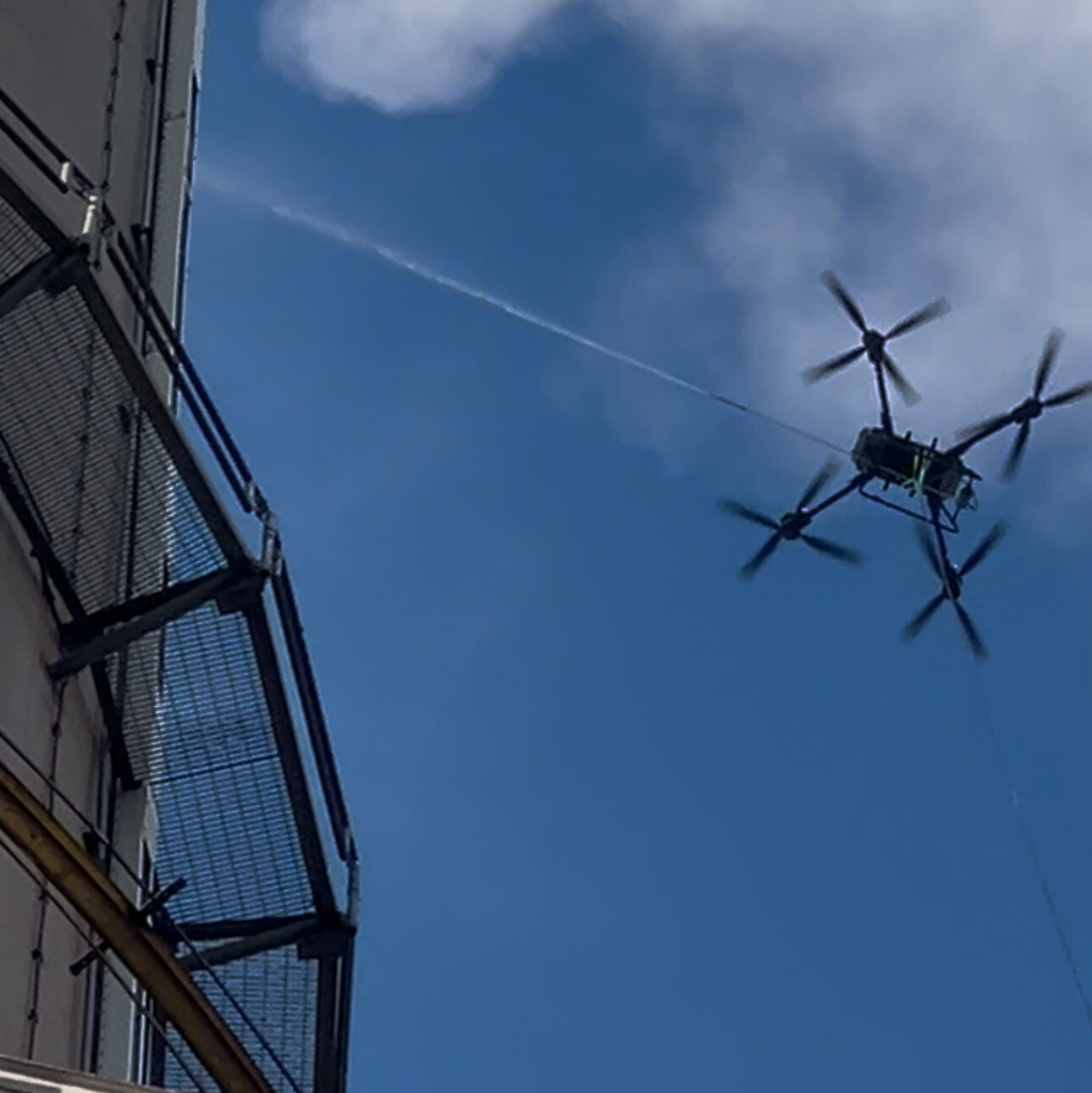
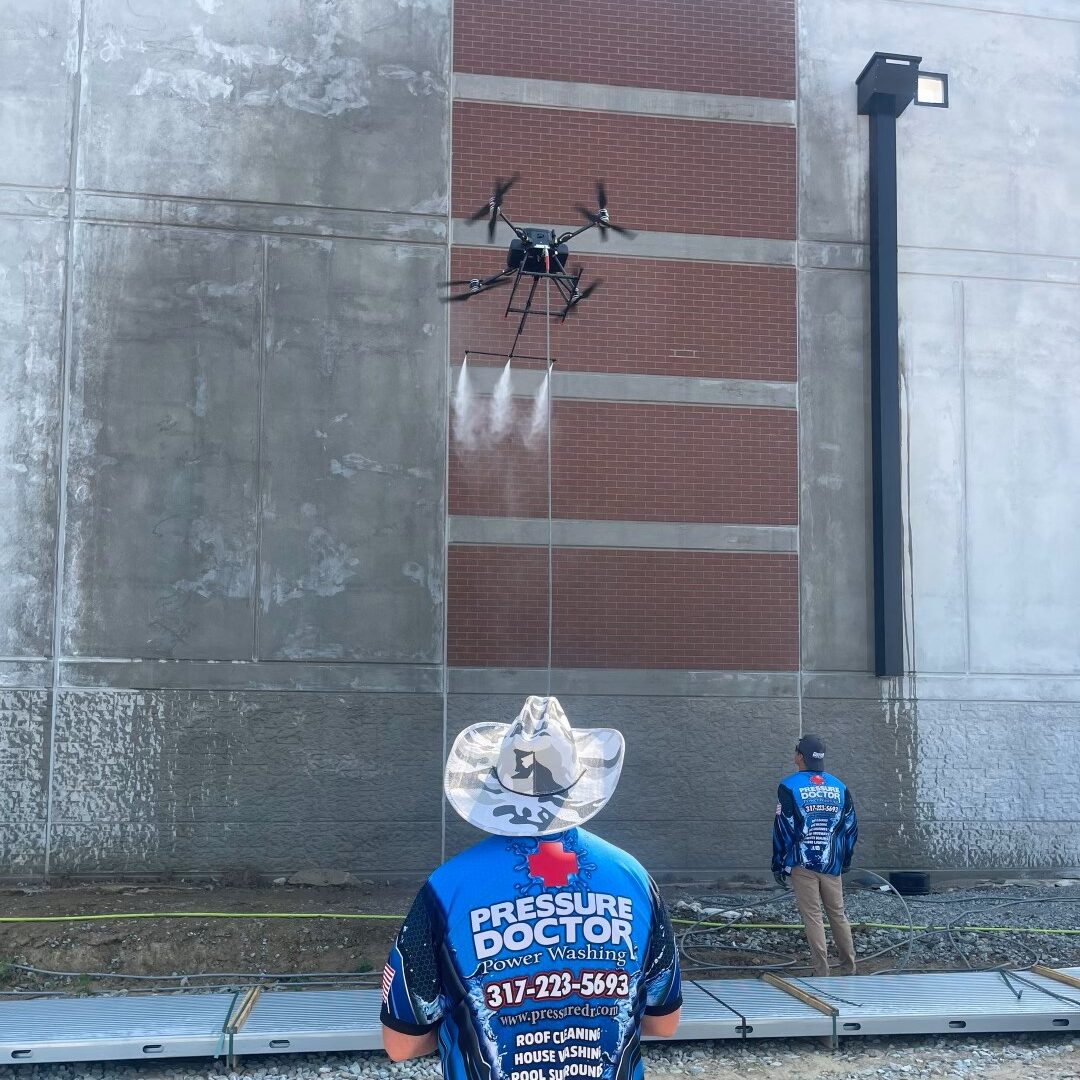
Many pressure-washing companies now use drones equipped with high-pressure washing systems to clean the exteriors of skyscrapers, office buildings, and residential towers. These drones can navigate hard-to-reach areas, eliminating the need for human cleaners to dangle from great heights. With advancements in stabilization technology and precise water flow control, drones provide consistent and thorough cleaning.

How It Works

Drone-based pressure washing involves equipping an industrial-grade drone with a high-powered nozzle and a water supply system. Operators control the drone remotely, maneuvering it around the building’s façade. Some systems connect the drone to a ground-based pump so it has a continuous water supply, while others use onboard water tanks, which work well for smaller jobs.

Advanced drone models feature AI and GPS technology, enabling precise positioning and automation for a thorough and efficient clean. Additionally, some drones come with built-in cameras and sensors to assess the level of dirt and grime, optimizing cleaning intensity as needed.

Drones may also utilize soft-washing to thoroughly clean hard-to-reach areas. This low-pressure washing and specialized cleaning solution easily removes grime and dirt, saving you money and labor. 

Benefits of Using Drones for Pressure Washing

Enhanced Safety — Traditional high-rise cleaning involved workers using scaffolding or hanging from harnesses, exposing them to hazards and the risk of falls or accidents. Drone cleaning eliminates these risks by letting workers control the cleaning process remotely. 

Increased Efficiency — Traditional high-rise cleaning can take about 30 days to complete. Drones can do it in a fraction of the time due to their high-powered nozzles and brushes and their ability to clean with precision and speed. 

Cost Savings —  Drone cleaning can save you money in the long run by eliminating labor costs, insurance, and expensive scaffolding or lift rentals. Additionally, the drone’s precise cleaning results in a more thorough job, reducing how often you need to get your windows cleaned 

Eco-Friendly Options — Many drone-based cleaning solutions use water-efficient systems and biodegradable detergents to reduce environmental impact. Drones are also energy-efficient, reducing your carbon footprint compared to traditional methods.

Access to Difficult Areas — Drones can reach difficult spots, such as narrow spaces, complex faces, or higher floors, that could be challenging or dangerous for human workers, ensuring a more comprehensive cleaning.

Minimal Disruption — Unlike traditional cleaning, which involves scaffolding or large machinery, drones operate with minimal interference to building occupants and pedestrians. They are quieter and quicker, allowing businesses to operate normally during cleaning. 

Industries Benefiting from Drone Pressure Washing

cleaning high rise buildings with drones

Commercial Real Estate — Keeping office buildings and skyscrapers clean enhances curb appeal and maintains property value.

Hospitality — Hotels and resorts use drones to maintain their facades, ensuring a pristine appearance for guests.

Residential High-Rises — Condominium and apartment complexes benefit from safer and more cost-effective exterior maintenance.

Industrial Facilities — Drone washing helps maintain hygiene and safety regulations for factories, warehouses, and hospitals effectively and quickly.

Historic Buildings & Monuments — Drones provide a non-invasive cleaning solution and soft-washing techniques for delicate structures that require precision and care.

Disadvantages of Pressure Washing with Drones

While drone-based pressure washing offers many benefits, there are also some challenges to consider:

Limited Water Capacity — Drones with onboard water tanks have a restricted supply, requiring frequent refills for larger projects.

Weather Dependence — Strong winds, rain, and extreme temperatures can affect drone stability and limit when you can clean. 

Regulatory Restrictions — Some cities may have strict regulations on drone usage, which may require getting special permits or approvals for commercial cleaning operations.

Training and Expertise — Operating a pressure washing drone requires skilled professionals to ensure safety, efficiency, and compliance with regulations.

The Future of Drone-Based Cleaning

As drone technology continues to advance, we could see even more sophisticated cleaning solutions. Future developments may include automated scheduling, AI-powered dirt detection, and integration with building maintenance systems for seamless operation. With growing adoption, drone-based pressure washing may become the standard for high-rise building maintenance.

cleaning high rise buildings with drones

Additionally, innovations such as water recycling systems and robotic-assisted cleaning arms are being explored to enhance the efficiency and sustainability of drone-based washing. Some companies are even developing multi-function drones capable of performing both pressure washing and facade inspections simultaneously.

Clean High-Rise Buildings Better With Drones

Drone pressure washing is safer, faster, and more efficient and allows property managers, building owners, and maintenance companies to keep their high-rise exteriors spotless. The advancement of drone technology will continue to revolutionize cleaning, benefiting customers and businesses alike. 

« Previous Page
Next Page »

Contact Us

6110 ROCKDELL DR. INDIANAPOLIS,
IN 46237

463.258.7043
Monday 8:00 AM - 5:00 PM
Tuesday 8:00 AM - 5:00 PM
Wednesday 8:00 AM - 5:00 PM
Thursday 8:00 AM - 5:00 PM
Friday 8:00 AM - 5:00 PM
Saturday Closed
Sunday Closed

Directions

Contact Us

INSTANT QUOTE

FOLLOW US

2026 Pressure Doctor Inc. Power Washing | All Rights Reserved | Privacy Policy | Terms | Anti-Discrimination Disclaimer | Accessibility Statement | XML Sitemap | Sitemap | Site by PDM